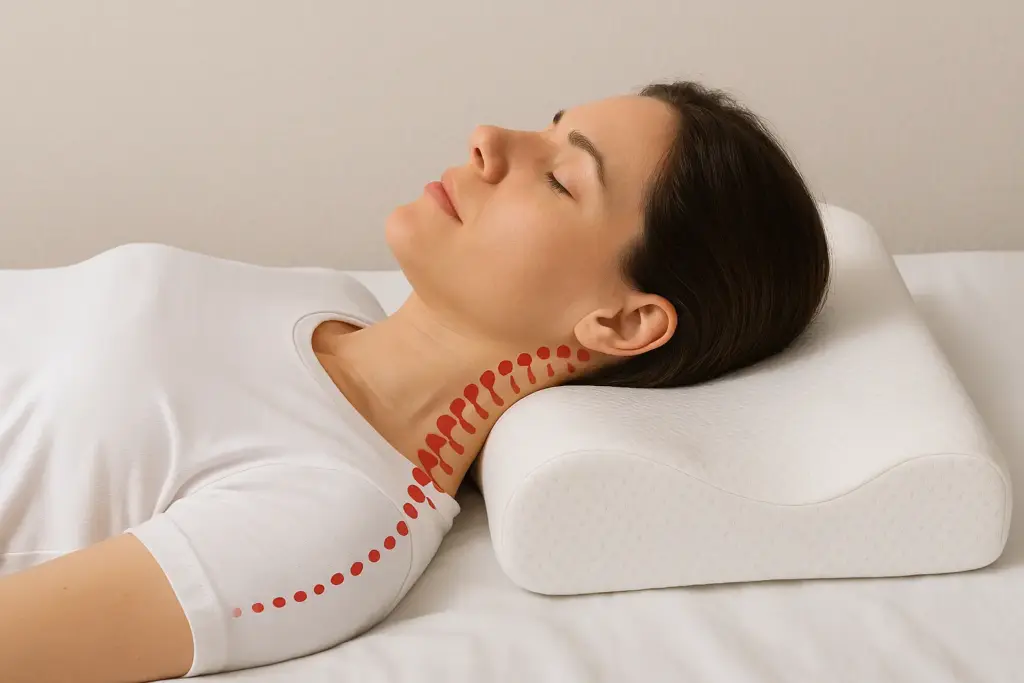
Waking up with neck pain can ruin your day before it even begins. While stress and posture play a role, your pillow is often the real culprit. The right one can make a huge difference supporting your spine, easing tension, and helping you sleep better.
If you’re tired of stiff mornings, here’s a simple guide to help you choose the right pillow for neck pain.
Understand the Root Cause of Neck Pain
Before buying a pillow, it’s important to know what’s behind your neck pain. Often, it’s due to poor spinal alignment during sleep. If your pillow is too high, too flat, or doesn’t support the natural curve of your neck, it can strain your muscles overnight.
Your sleeping position also matters. Side, back, and stomach sleepers all need different kinds of support.
Match Your Pillow to Your Sleeping Position

The way you sleep should guide your choice.
For side sleepers:
- You need a firm and thick pillow that keeps your head level with your spine.
- Look for pillows with extra loft or side contours for shoulder support.
For back sleepers:
- Choose a medium-firm pillow that supports the curve of your neck without pushing your head forward.
- A cervical or memory foam pillow can help maintain alignment.
For stomach sleepers:
- Use a soft, low-loft pillow or even skip it altogether.
- Placing a thin pillow under your chest can also reduce neck strain.
Know the Different Pillow Materials

Each pillow material offers a unique feel and level of support:
- Memory Foam: Molds to your shape and supports your neck’s natural curve. Great for chronic pain but can retain heat.
- Latex: Bouncy, supportive, and cooler than memory foam. Durable and hypoallergenic.
- Feather/Down: Soft and adjustable, but may not give enough structure for serious neck issues.
- Microfiber or Polyester: Budget-friendly and easy to clean, though they flatten over time.
- Water or Gel Pillows: Adjustable and cooling, ideal for people who toss and turn.
Look for Ergonomic or Orthopedic Designs
If you have chronic neck stiffness, consider ergonomic pillows designed to maintain proper head and neck alignment. These usually have a curved or contoured shape that cradles your neck.
Some even have separate zones for your head and shoulders, helping to reduce pressure points and improve posture during sleep.
Consider Firmness and Loft (Height)
The loft (height) and firmness of your pillow should fit both your sleeping position and body type.
- Low loft: Best for stomach sleepers or smaller frames.
- Medium loft: Works well for most back sleepers.
- High loft: Ideal for side sleepers or broader shoulders.
A pillow that’s too soft or too firm can cause misalignment, so it’s worth testing a few before deciding.
Don’t Forget Cooling and Breathability
If you tend to sleep hot, choose a pillow with cooling gel, ventilated foam, or breathable covers made from cotton or bamboo. Good airflow helps reduce heat buildup and keeps you comfortable through the night.
Test and Replace Regularly
Even the best pillows lose shape over time. Most need replacing every 1–2 years. A good test: fold your pillow in half if it doesn’t spring back, it’s time for a new one.
When testing a new pillow, give it a few nights before judging. Your neck may need time to adjust to proper alignment.
Final Thoughts
Finding the right pillow for neck pain isn’t about trends it’s about support, alignment, and comfort. Focus on your sleeping position, choose quality materials, and make sure your spine stays neutral throughout the night.
A well chosen pillow can do more than ease pain it can help you wake up rested, refreshed, and ready to take on the day.