Here’s something most California travel guides won’t tell you: the state’s most memorable experiences often cost next to nothing.
The reputation, overpriced hotels, $22 avocado toast, and highway tolls at every turn aren’t completely unfair. But it’s only half the picture. California has national parks that charge less than a tank of gas for a week’s entry. It has free beaches that rival anything in the Caribbean. It has towns where you can eat well, sleep comfortably, and spend two days exploring without burning through your paycheck.
You have to know where to look.
This guide is built for real budget travelers. Not the “budget” category that still costs $180/night, but travelers who want genuine value, full experiences, and California memories they’ll actually keep.
Let’s get into it.
Why California Is Actually More Affordable Than You Think
The problem most budget travelers have with California is that they plan around the wrong cities. Book a week in San Francisco or Santa Monica, and yes, you’ll feel it. But California is a massive, geographically diverse state, and most of it doesn’t carry that coastal premium.
Think inland valleys, mountain towns, lesser-known coastal stretches, and high desert landscapes. These areas offer the same natural beauty with far less competition for hotel rooms, restaurant tables, and parking spots.
The Best Cheap Places to Visit in California
Death Valley National Park
Death Valley sounds extreme, and visually it delivers. Salt flats, volcanic craters, dunes, and the lowest point in North America. It’s unlike anywhere else in the state.
The real surprise? A 7-day vehicle pass costs $35. Split between four people, that’s less than $9 each. Camping at Mesquite Spring runs about $16/night. The surrounding towns of Pahrump (on the Nevada side) and Ridgecrest keep accommodation prices low.
Go between October and March. The summer heat is genuinely dangerous, and spring wildflower season draws larger crowds and slightly higher prices.
Budget tip: The park has no entrance fee checkpoints at some remote entrances. Download offline maps before you arrive because cell service is nearly nonexistent.
Sequoia and Kings Canyon National Parks
These sister parks share a single $35 vehicle pass valid for 7 days, and they’re two of the most jaw-dropping places in the entire state.
General Sherman Tree, the world’s largest living organism by volume, is free once you’re inside the park. Trails here are accessible to all fitness levels, campgrounds are inexpensive, and the nearby town of Three Rivers has affordable lodges and good food without the tourism markup you’d find in Yosemite.
Budget-conscious travelers who want to camp overnight should gear up properly. For practical advice on choosing the right outdoor equipment without overspending, this guide on camping gear for travel covers exactly what to prioritize.
Budget tip: Visit in late September or early October. The summer crowds are gone, temperatures are ideal, and midweek camping spots are easy to secure.
Joshua Tree National Park
Joshua Tree has become one of California’s most photographed destinations, yet it remains one of the most affordable.
A 7-day vehicle pass runs $35. Rock climbing, stargazing, hiking, and sunrise photography are all free once inside. The town of Twentynine Palms, just outside the park, is genuinely budget-friendly, with motels starting around $70 to $90/night and independent diners where you’ll pay normal prices for good food.
The Cholla Cactus Garden and Skull Rock Trail are two of the most spectacular free experiences in Southern California. No crowds, no ticketing, no reservations required outside of peak holiday weekends.
Budget tip: Book a campsite at Jumbo Rocks or Belle Campground for $25/night. You’ll wake up inside the park with the sunrise, an experience worth 10x the price.
Fresno
Fresno doesn’t make it onto many travel lists, and that’s exactly what makes it valuable for budget travelers.
Accommodation here runs significantly cheaper than in coastal cities. You’re under 60 miles from both Sequoia and Kings Canyon National Parks, within day-trip range of Yosemite’s southern entrance, and near the San Joaquin Valley wine region, which offers tastings for a fraction of Napa prices.
The Tower District in Fresno has a thriving food and arts scene without the inflated costs. Basque restaurants serve enormous, communal family-style meals for around $25/person. Local farmers’ markets let you fill a bag with produce for a few dollars.
Budget tip: Use Fresno as your base camp for multiple days at multiple parks. You’ll save 30 to 40% on nightly rates compared to gateway towns like Oakhurst or Lee Vining.
Santa Cruz
When people think of a California beach vacation, they jump to Santa Barbara or Malibu. Santa Cruz does the same thing at roughly half the cost.
The beach is free. The famous Boardwalk hosts a free concert series on Fridays in the summer. The West Cliff Drive coastal walk takes an hour and costs nothing. Surfing lessons run $80 to $100 for a group session, pricier than inland activities, but cheap compared to resort beach towns.
The restaurant scene here tilts toward independent spots rather than chain hotels. Tacos, burritos, and bowls from the downtown taco trucks and small restaurants run $8 to $12. Pacific Avenue has independent coffee shops where a flat white won’t make you wince.
Budget tip: Stay in nearby Capitola or Watsonville for lower hotel rates and easy access to Santa Cruz without paying the beachfront premium.
Bakersfield
Bakersfield is constantly overlooked, which works in your favor. Hotel prices here are among the lowest of any mid-size California city. It’s a practical base for day trips to Sequoia (about 1.5 hours), the Los Padres National Forest, and the Temblor Range. Kern River rafting, one of California’s best whitewater experiences, launches right from town, with guided half-day trips starting around $50.
The downtown Kern County Museum offers serious history for a modest admission fee. And Bakersfield’s Basque and Mexican food scenes are genuinely excellent with large portions, low prices, and zero tourist markup.
Shasta Cascade
Northern California’s Shasta Cascade region is almost completely off the mainstream tourist radar, which means it’s still priced for locals.
Redding itself is affordable and functional. But what surrounds it is remarkable: Mount Shasta, Lassen Volcanic National Park (one of the least visited and most dramatic of all national parks), Lake Shasta, and McArthur-Burney Falls Memorial State Park, described by Theodore Roosevelt as the “eighth wonder of the world.”
Lassen Volcanic charges $35 for a 7-day vehicle pass. Burney Falls charges a $10 day-use fee. Campgrounds in the region run $20 to $30/night. The combination of volcanic terrain, pristine lakes, and empty trails is unlike anything else in the state.
Budget tip: Avoid the July 4th weekend when Northern California camping fills fast. Late May and September offer the best trail conditions with minimal competition.
Palm Springs Off-Season
Palm Springs has a premium reputation, but here’s the open secret: visit between June and September and the prices collapse.
Yes, summer temperatures exceed 100°F. But pools are ubiquitous, hotel pools are genuinely spectacular, and the Palm Springs Aerial Tramway (about $30/person) takes you to pine forests at 8,500 feet elevation where temperatures drop 40 degrees in minutes.
Midcentury modern architecture tours are self-guided and free. The Palm Canyon Drive restaurant scene drops its prices noticeably in the off-season. Hotel rooms that cost $300+ in January often fall below $100 in August.
Budget tip: Visit in early June before school holidays, or late September when heat breaks and prices haven’t fully recovered. The sweet spot for value is roughly 7 to 14 days before and after peak season.
California Budget Travel Tips That Actually Save You Money
Food: Farmers’ markets across California offer cheap, fresh produce. The state’s enormous Latino community means excellent, inexpensive taquerias in almost every city. Look for lunch specials at restaurants aimed at local workers, as these are consistently better value than those in tourist zones.
Transportation: If you’re visiting multiple national parks, the America the Beautiful Annual Pass ($80) covers all federal lands for one year. For two or more park visits, it pays for itself immediately.
Accommodation: California State Park campgrounds offer some of the most scenic camping in the world for $25 to $35/night. Reserve early at reservecalifornia.com because popular spots like Pfeiffer Big Sur, Leo Carrillo, and Salt Point book weeks in advance.
Free attractions:
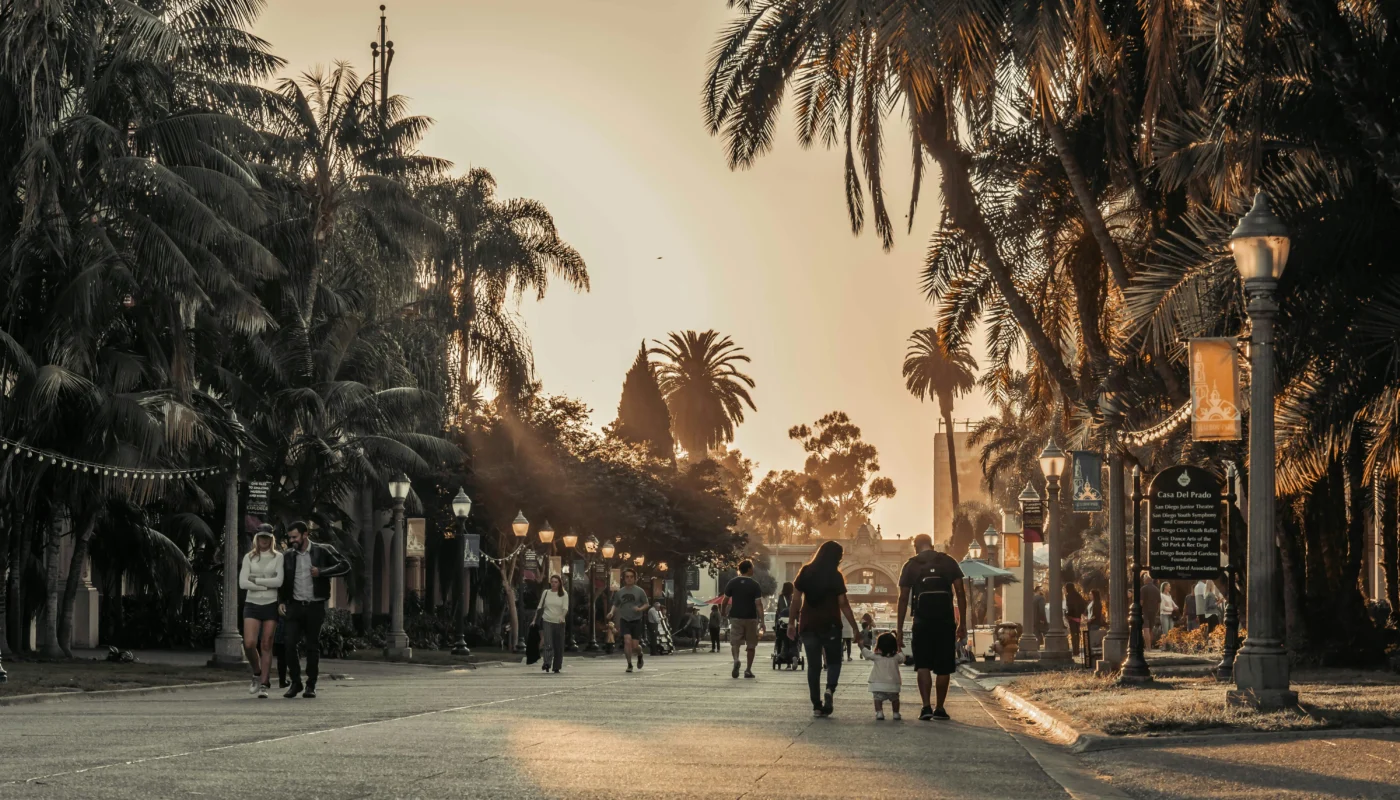
- Balboa Park in San Diego (free outdoor spaces, some museums free on rotating days)
- Griffith Observatory in Los Angeles (free admission)
- The Getty Center in Los Angeles (free admission, parking fee only)
- Golden Gate Park in San Francisco (free)
- Most California State Beaches (free access, paid parking)
FAQ’s
What is the cheapest area of California to visit?
The Central Valley, Inland Empire, and Northern California’s Shasta region consistently offer the lowest travel costs. Fresno, Bakersfield, and Redding are the most affordable base cities with access to outstanding natural attractions.
Can you do a California road trip on a budget?
Yes, and a road trip is often the most cost-effective way to see California. The America the Beautiful Annual Pass ($80) covers all national parks and federal recreation areas. Camping instead of hotels and cooking simple meals dramatically reduces daily costs. Many experienced budget travelers complete 10-day California road trips for $60 to $90/day total, including fuel.
What are the cheapest national parks in California?
All California national parks charge the same $35 fee for a 7-day vehicle pass, or $80 for the annual America the Beautiful Pass. Lassen Volcanic and Pinnacles National Monument see far fewer visitors than Yosemite, which means no reservation requirements and immediate access to trails and campgrounds.
Is Joshua Tree good for budget travelers?
Joshua Tree is one of California’s best budget destinations. The park itself is inexpensive, nearby accommodation in Twentynine Palms and Yucca Valley is affordable, and the free activities, including hiking, rock scrambling, and stargazing, are world-class. Avoid long holiday weekends when the area gets congested.
What months are cheapest to travel in California?
January through February (excluding ski areas), late May before Memorial Day, and September through October offer the best combination of lower prices and pleasant conditions. Shoulder season travel in California saves 20 to 35% on accommodation compared to peak summer months.
Are there free beaces in California?
Yes. Most California State Beaches offer free access. Parking usually costs $10 to $15/day. Beaches like Pismo Beach, Moonstone Beach in Cambria, and Dockweiler State Beach in Los Angeles are free to access and significantly less crowded than premium coastal areas.
Final Thoughts
The “California is expensive” assumption keeps many travelers away from one of the most geographically diverse states on the planet. The truth is more nuanced: choose the right destinations, travel in the right seasons, and lean into the state’s extraordinary natural assets, and you’ll find genuine value.
Death Valley, Joshua Tree, the Sequoias, the Northern California volcanic region these are world-class experiences that cost less than a single night at a mid-tier urban hotel.
The people who get the best from California on a budget aren’t cutting corners. They’re choosing differently.