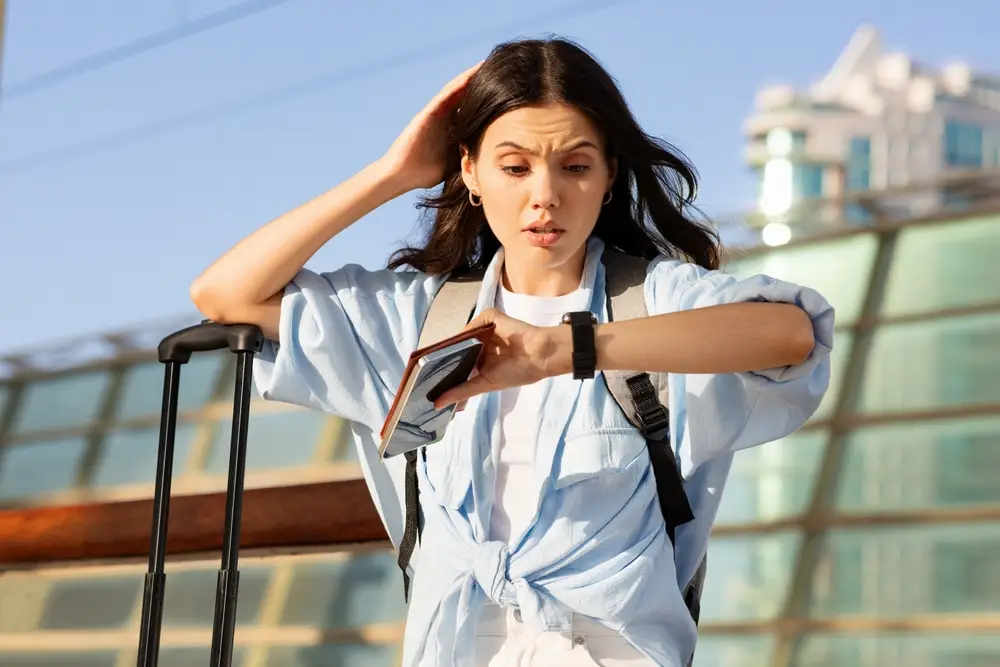
Solo travel is one of the best decisions you can make for yourself. No compromises, no waiting around, no group votes on where to eat. Just you and the road.
But here is the part nobody really talks about before your first big solo trip. When something goes wrong, and at some point something usually does, there is no one standing next to you to help figure it out. No partner to watch your bag while you sort out the mess. No friend to translate, negotiate, or just sit with you while you catch your breath.
That gap between “something went wrong” and “I handled it” is exactly what this guide is built for. Learning how to handle emergencies when traveling alone is not about expecting the worst. It is about making sure the worst never has the final word.
Prepare Before You Leave
Most travel emergencies are not solved during the emergency. They are solved two weeks before departure, at your kitchen table, with a cup of coffee and a checklist.
Before you go anywhere, do these things:
- Make digital and physical copies of your passport, visa, travel insurance documents, and any prescriptions. Email them to yourself so you can pull them up from any device, anywhere.
- Write down, not just save in your phone, the contact number for your country’s embassy in each destination.
- Share your full itinerary with someone at home, including hotel names, addresses, and check-in dates.
- Buy travel insurance that covers medical emergencies, evacuation, and trip interruption. This is not optional. A single hospital stay in a country with no public healthcare arrangement for foreigners can cost tens of thousands of dollars.
- Set up a local SIM or international data plan so you are never completely unreachable.
One more thing worth doing: research the local emergency number for each country on your itinerary. It is not always 911. In many parts of Europe it is 112. In Japan it is 110 for police and 119 for ambulances. Knowing this in advance takes thirty seconds and could matter enormously.
Handling Medical Emergencies Alone
Getting sick or injured while traveling alone is genuinely frightening. The good news is that it is manageable if you know what to do before the moment arrives.
The moment you realize something is seriously wrong, your first call should be to your travel insurance provider’s 24-hour emergency helpline. Most good policies include direct hospital coordination, which means they can handle communication with local medical teams on your behalf. This is especially valuable if you do not speak the local language.
Ask your accommodation staff for help right away. Hotel and hostel front desks deal with guest health situations more often than most people think. They usually know which nearby hospital or clinic is most reliable, and many can help you communicate with medical staff.
A few habits that experienced solo travelers swear by: carry a small card in your wallet listing your blood type, any allergies, and your regular medications. If you have a chronic condition, consider wearing a medical ID bracelet. Both of these take seconds to prepare and can be critical if you are ever in a situation where you cannot speak for yourself.
What to Do If Your Belongings Are Stolen
The panic that hits when you realize your bag or wallet is gone can make you act irrationally. Slow down. The next thirty minutes matter more than the next thirty seconds.
Here is what to do in order:
- Report the theft to local police as soon as possible and get a written report with a case number. Without this document, no insurance claim will be processed.
- Call your bank immediately and freeze your cards. Most banking apps let you do this in under a minute.
- Use your email backup to access your travel insurance contact and document copies.
- If your passport was stolen, contact your nearest embassy right away. Most can issue emergency travel documents within one to three business days if you have a police report and identification copies.
The single best habit you can build before any trip is keeping a small emergency cash reserve, around 50 to 100 US dollars or local equivalent, stored separately from your main wallet. A money belt worn under clothing is still one of the simplest and most effective solutions out there.
What to Do If You Get Stranded
Missed connections, canceled trains, broken-down buses. These happen constantly, and solo travelers face them without anyone to split the problem-solving with.
A few things that make all the difference:
- Save your accommodation address offline, not just in a browser tab that needs the internet to load. Apps like Maps.me let you download full city maps before you arrive.
- Keep a local SIM or portable WiFi device so you always have data access when things go sideways.
- Know the name of at least one reliable rideshare or taxi service that operates in your destination.
If you find yourself stranded and night is approaching, prioritize getting to a safe, well-lit public place first. A hotel lobby, a shopping center, a police station. Figure out the logistics once you are somewhere secure. Safety comes before the plan.
Overcoming Language Barriers in a Crisis
Not being able to communicate during an emergency adds a layer of stress that is hard to describe unless you have lived it. A few tools genuinely help.
Google Translate’s camera mode lets you point your phone at any sign or printed text and get an instant translation. iTranslate and similar apps offer offline functionality, which is useful when you have no data connection. Download both before you travel.
Even better, before each trip, learn five emergency phrases in the local language. You do not need to be fluent. You need to be able to say: I need help. Call an ambulance. I am allergic to. Where is the hospital? Please call the police.
If spoken communication fails completely, showing written text on your phone screen still works. Prepare a simple card with your emergency contacts written in both English and the local language. It weighs nothing and can break through a language barrier instantly.
How to Stay Calm and Think Clearly
This part gets skipped in most travel safety guides. But it might be the most important one.
When something goes wrong, your brain shifts into panic mode. Panic leads to rushing, and rushing leads to mistakes you will regret. The first thing any experienced crisis responder will tell you is to stop before you act.
3 Steps you follow:
When an emergency hits, run through these three steps before doing anything else:
- Stop and breathe. Give yourself two full minutes. This is not wasted time. It is the most productive thing you can do in the first moments of a crisis.
- Identify your single most urgent priority. Is it physical safety? Getting communication? Reaching your documents? Focus on one thing at a time.
- Contact someone. Your insurer, the embassy, a friend at home, or the person at the front desk. Talking through a situation, even briefly, helps you think more clearly and often surfaces options you had not considered.
Solo travel does not mean handling everything completely alone. It means knowing how to build a quick support network wherever you happen to be.
Apps and Tools That Can Save You
A few things worth downloading or setting up before you leave:
- TripIt organizes your entire itinerary, bookings, and documents in one place, accessible offline.
- AirDoctor helps you find English-speaking doctors abroad quickly, even in countries with limited healthcare infrastructure for tourists.
- Maps.me offers fully offline navigation with real walking and driving directions.
- Smart Traveler Enrollment Program (STEP) is a free service run by the US State Department. Register your trip and the nearest embassy gets notified. You also receive automatic safety alerts for your destination.
- Google Translate with offline language packs downloaded in advance.
None of these take more than a few minutes to set up. Together they cover most of the situations where solo travelers feel most vulnerable.
FAQ’s
Lost Your Passport Abroad
Go to your nearest embassy or consulate immediately. Bring the police report, your digital ID copies, and passport photos if you have them. Most embassies issue emergency travel documents within one to three business days.
Facing a Medical Emergency Alone
Call local emergency services first, then contact your travel insurance provider’s emergency helpline. Let your accommodation staff help with communication. Always carry a written list of your medications and allergies.
Is Solo Travel Safe in Emergencies
Yes, with the right preparation. Solo travelers who carry document copies, hold travel insurance, and know their key emergency contacts handle crises just as effectively as those traveling in groups. Preparation is the real safety net, not company.
Who to Contact First in a Crisis
Local emergency services for immediate physical danger. Your travel insurance provider for medical or logistical emergencies. Your country’s embassy for document loss or serious legal situations.
Most Important Thing to Pack
Your travel insurance documents and offline access to your key emergency contacts. Everything else can be replaced or improvised. Your ability to reach help when it matters cannot.
Final Verdict
Emergencies on the road are the exception, not the rule. Most solo trips go exactly as planned, or better. But the travelers who handle the hard moments best are the ones who prepared for them quietly, before they ever left home.
Spend one hour before your next trip building your emergency plan. Write it down. Share it with someone who will pick up the phone. Then go, and enjoy every single moment of the trip you worked hard to take.
Before you finalize your booking, make sure your travel insurance is sorted first. It is the one thing every experienced solo traveler wishes they had set up before they needed it.