Switzerland is one of those rare destinations where the journey genuinely competes with the destination itself. Rolling through emerald valleys, past mirror-still lakes and snow-capped peaks on a Swiss train feels less like transit and more like theatre. But timing matters enormously. The Switzerland train travel experience changes dramatically across seasons, and knowing when to go shapes everything from what you’ll see out the window to how much you’ll spend.
Whether you’re dreaming of the Glacier Express, the Bernina Express, or a simple regional hop between Lucerne and Interlaken, this guide breaks down exactly what each season offers and what it quietly takes away.
Why the Season Changes Everything on Swiss Trains
Switzerland’s rail network is one of the most punctual and comprehensive in the world. Trains run year-round across virtually every corner of the country, which means your choice isn’t really about access; it’s about experience. Snow on the Bernese Oberland in February looks nothing like golden larches in October. Summer crowds on the Glacier Express are a world apart from the peaceful quietude of an early April morning on the same route.
Understanding the rhythm of the seasons helps you choose the version of Switzerland that matches what you’re actually after.
Spring (March–May):
Spring doesn’t get enough credit for Swiss train travel, and that’s honestly part of its charm.
By mid-March, the alpine landscape begins its slow thaw. Lower valleys turn vivid green while higher altitudes still hold their snow, which means you get a genuinely cinematic contrast on routes like the Bern to Interlaken corridor. Wildflowers appear across the Jura and Rhine Valley by April, and the light has that clean, saturated quality that photographers chase.
What you’ll see on trains: Cascading waterfalls from snowmelt, wildflower meadows in the lowlands, and snow-frosted peaks in the background. On the Bernina Express route through Graubünden, the Morteratsch Glacier is especially striking in early spring before summer haze sets in.
Practical reality: Crowd levels are genuinely low until Easter, when European families travel. Prices for rail passes like the Swiss Travel Pass remain in shoulder-season range, typically 10–20% cheaper than peak summer rates. Some high-altitude mountain railways (like the Jungfrau Railway) still operate on reduced winter schedules through March, so check timetables carefully.
Best for: Budget-conscious travelers, photographers, and anyone who prefers train compartments with breathing room.
Summer (June–August)
This is when Switzerland looks exactly like the postcards. And also when everyone else has the same idea.
June through August brings warm, stable weather, full alpine accessibility, and that impossibly blue sky that turns every train window into a landscape painting. The Glacier Express, running between Zermatt and St. Moritz, operates its full schedule with panoramic cars. The GoldenPass Line through Montreux blooms with vine-terraced hillsides. Every route is running; every mountain station is open.
What you’ll see on trains: The full alpine palette, blue lakes, green meadows, wildflower-covered hillsides, and classic Swiss villages that look unchanged from a century ago. The Landwasser Viaduct on the Bernina route is perhaps most dramatic with full summer foliage framing the stone arches.
Practical reality: This is the most expensive period for Swiss train travel. The Swiss Travel Pass peaks at full price, and booking scenic trains like the Glacier Express requires advance seat reservations (mandatory and limited in summer). Popular routes can feel crowded, particularly on the tourist-heavy sections. That said, for first-time visitors who want the full experience with all routes operating perfectly, summer delivers.
Best for: First-time visitors, families, travelers who want guaranteed access to every route and attraction.
Autumn (September–October)
Ask experienced Switzerland travelers when they go, and a significant number will say September or October without hesitation.
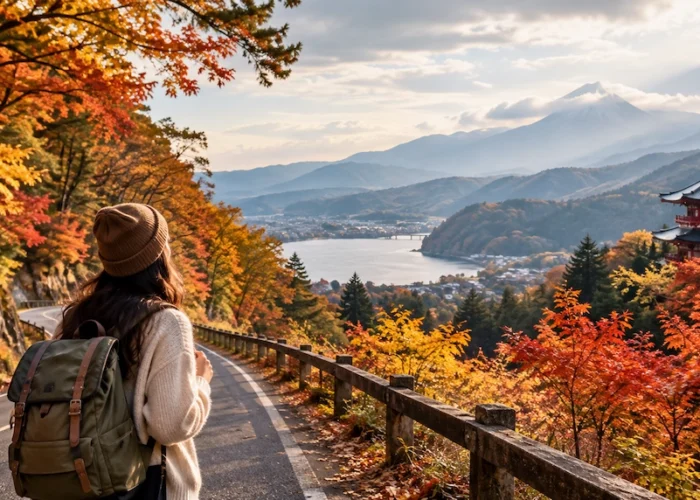
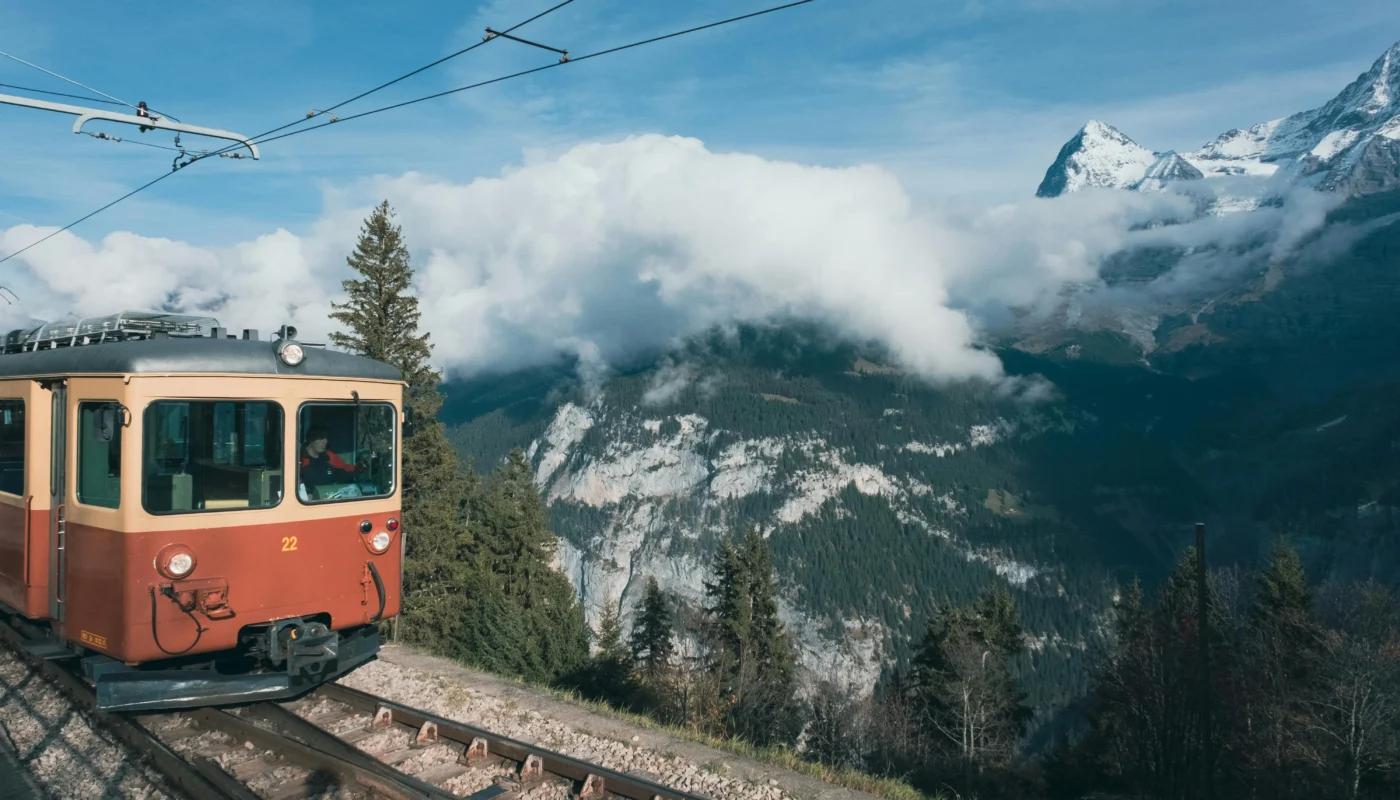
The crowds from summer dissolve, but the weather stays warm and settled well into October. The real draw is colour. Swiss larch forests turn golden-yellow in late September and early October, a transformation that’s particularly spectacular when viewed from train routes through the Engadine Valley and parts of Graubünden. The Bernina Express in October, with its red train carriages threading through amber forests and snow-dusted peaks, is one of the most visually stunning train experiences in Europe.
What you’ll see on trains: Golden larch forests, misty morning valleys, harvest-season vineyards along Lake Geneva’s shores, and the first winter snowfalls on higher passes. The contrast between warm valley temperatures and white mountain summits creates that layered alpine drama that summer heat actually softens.
Practical reality: Prices begin dropping from mid-September. Trains are noticeably quieter. The weather can turn wet or foggy from late October, which occasionally obscures mountain views, but honestly, low clouds drifting through a forest valley have their own atmospheric appeal. Most scenic routes continue full operation through October.
Best for: Experienced travelers, couples, photographers, and anyone who values atmosphere over guaranteed sunshine.
Winter (November–February)
Winter Swiss train travel is a fundamentally different experience, and if you embrace it rather than work around it, it’s genuinely extraordinary.
The festive period in December transforms Swiss cities and stations into something from a storybook. Zürich’s main station hosts one of Europe’s most beautiful Christmas markets, and boarding a night train after wandering through it feels cinematic. On mountain routes, the scenery shifts entirely, with snow-blanketed forests, frozen waterfalls, and that particular stillness that only deep winter brings.
What you’ll see on trains: Pure white alpine landscapes, Christmas lights in valley towns, occasional dramatic fog inversions where you ride above the clouds into brilliant sunshine, and the long blue shadows of winter afternoons.
Practical reality: Some high-altitude routes have reduced schedules or require additional mountain equipment. January and February are the cheapest months for rail passes, sometimes 25–30% below summer prices. The Glacier Express runs year-round but with fewer departures in winter. Ski resorts like Verbier and Davos are, however, in full swing, so trains servicing those areas can get genuinely packed on weekends.
Best for: Budget travelers, ski holiday add-ons, couples seeking atmospheric quiet, and anyone who specifically wants the alpine snow experience.
Best Months for Scenic Train Journeys
| Route | Peak Season | Best Alternative |
| Glacier Express | July–August | September–October |
| Bernina Express | June–August | Late September |
| GoldenPass Line | May–October | September |
| Jungfrau Railway | July–September | May or October |
| Rhine Valley Routes | Year-round | March–April |
Budget vs. Peak Travel: What the Timing Actually Costs
The Swiss Travel Pass, the most practical option for visitors wanting unlimited train travel, varies meaningfully in cost depending on when you use it. Summer purchases typically run 15–25% higher than shoulder or low season equivalents. Beyond the pass itself, advance reservations on panoramic scenic trains are both cheaper and more available outside June–August.
Accommodation in rail hubs like Lucerne, Interlaken, and Zürich follows similar patterns. Prices in July and August can be double what you’d pay for the same hotel in November.
One practical consideration: if you’re planning a broader trip and looking for inspiration on affordable destinations to pair with a European rail adventure, it’s worth browsing resources like cheap places to visit in California to understand how similar budget-planning principles apply across different travel contexts.
Practical Tips for Timing Your Swiss Train Trip
- Book scenic trains early. The Glacier Express requires mandatory seat reservations; in July and August, popular departure times sell weeks in advance.
- Shoulder season sweet spot: Mid-September to mid-October offers the best balance of weather, scenery, pricing, and crowd levels.
- Early morning trains are worth the alarm. Regardless of season, the first trains of the day hit mountain routes before tour groups arrive and light is usually at its best.
- Swiss Travel Pass validity: Choose consecutive-day passes for intense short trips; flex passes work better for longer stays with rest days built in.
- Check mountain route schedules: High-altitude lines like Jungfrau have weather-dependent disruptions most commonly in winter and early spring.
FAQ’s
What is the overall best time to travel Switzerland by train?
Late September to mid-October consistently offers the best combination of scenic colour, reduced crowds, comfortable temperatures, and lower prices. It’s the season when experienced travelers often return to.
Is the Glacier Express worth it in winter?
Yes, though with fewer departures. The snow scenery is stunning, but some panoramic dome car services run on reduced schedules. Book well in advance and confirm times directly with Rail Europe or SBB (Swiss Federal Railways).
How far ahead should I book Swiss scenic train tickets?
For summer travel (June–August), aim for 4–6 weeks minimum for popular routes. In shoulder season, 1–2 weeks is usually sufficient, though flexibility is possible last-minute for many standard routes.
Is Switzerland by train expensive in spring?
Spring (March to mid-May, excluding Easter) is genuinely more affordable. Rail pass prices are in off-peak range, hotels are cheaper, and restaurant prices, which don’t change seasonally, feel less painful when accommodation isn’t draining your budget.
Can I travel to Switzerland by train in November?
Absolutely. November is quiet and atmospheric. Lower valley routes remain excellent. Some higher mountain railways shift to winter schedules, and resort areas start picking up toward December. It’s underrated and often genuinely beautiful.
Ready to Plan Your Swiss Train Adventure?
Switzerland by train rewards those who plan thoughtfully. Choose the right season, book the key routes early, and let the journey itself become the highlight. Whether you’re after summer’s green peaks, autumn’s golden forests, or winter’s hushed snowscapes, Swiss rail delivers an experience that no road trip or flight can match.
Start mapping your route, compare Swiss Travel Pass options on the official SBB website, and decide which version of Switzerland you want to meet on the other side of the window.
Your best Swiss train journey is the one you actually take, so start planning.