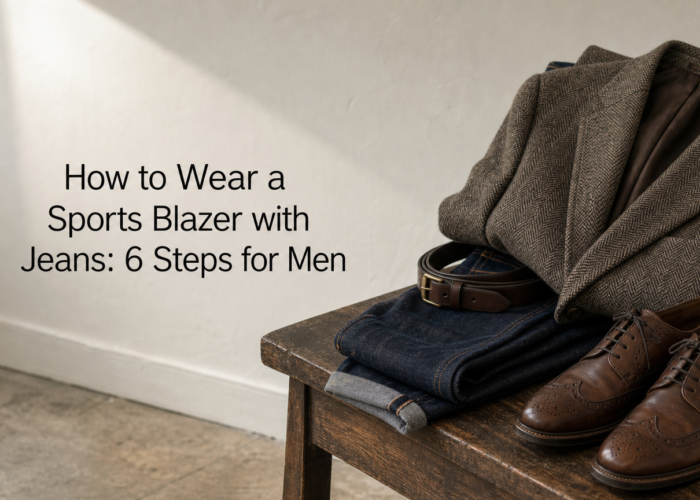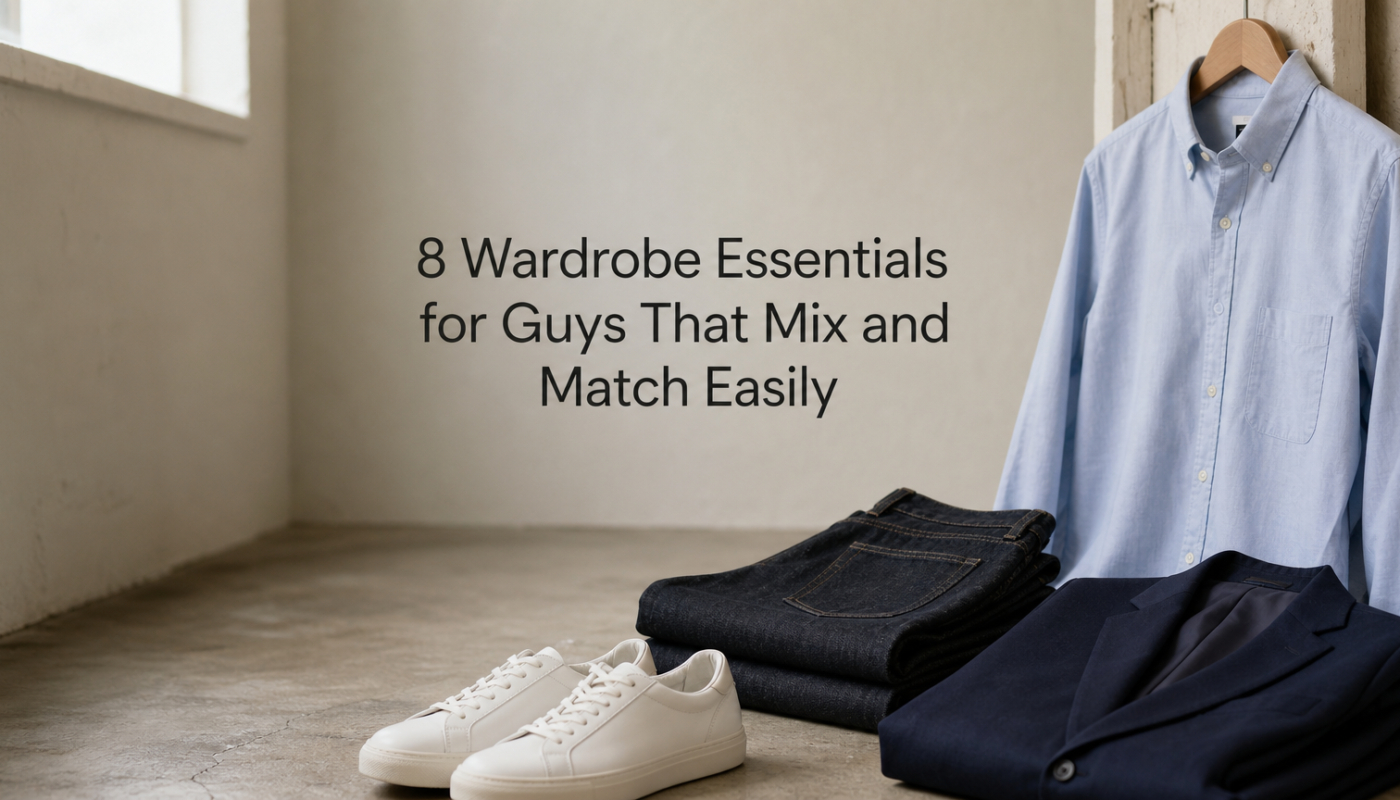
The wardrobe essentials for guys come down to eight versatile pieces: tees and polos, a white or pale blue Oxford shirt, a crewneck sweater, dark jeans, chinos, a navy blazer, a light jacket, and two pairs of shoes. A good pick has three traits. It comes in a neutral color, it has a classic cut that won’t date, and it anchors at least three different outfits. If you are starting from scratch, buy the jeans, tees and white sneakers first. If you work in an office, add the Oxford, chinos and blazer next.
Most closets fail for the opposite reason: plenty of clothes, but few that work together. You open the door, see a full rack, and still have nothing to wear. This checklist fixes that by naming each piece, telling you what to look for when you buy it, and showing how many you need.
At Boulevard Insight we write about everyday style, so every item below gets the same two parts: what to buy, then how to wear it and how many to own. Underwear and socks sit outside the count, but plan on about eight pairs of each so a week of laundry plus one spare day is covered.
1. T-shirts and polos
Buy about six tees, polos and henleys in solid neutral colors before anything else. They sit under or beside every other piece on this list, so they carry more weight than any single jacket or pair of shoes.
What to buy
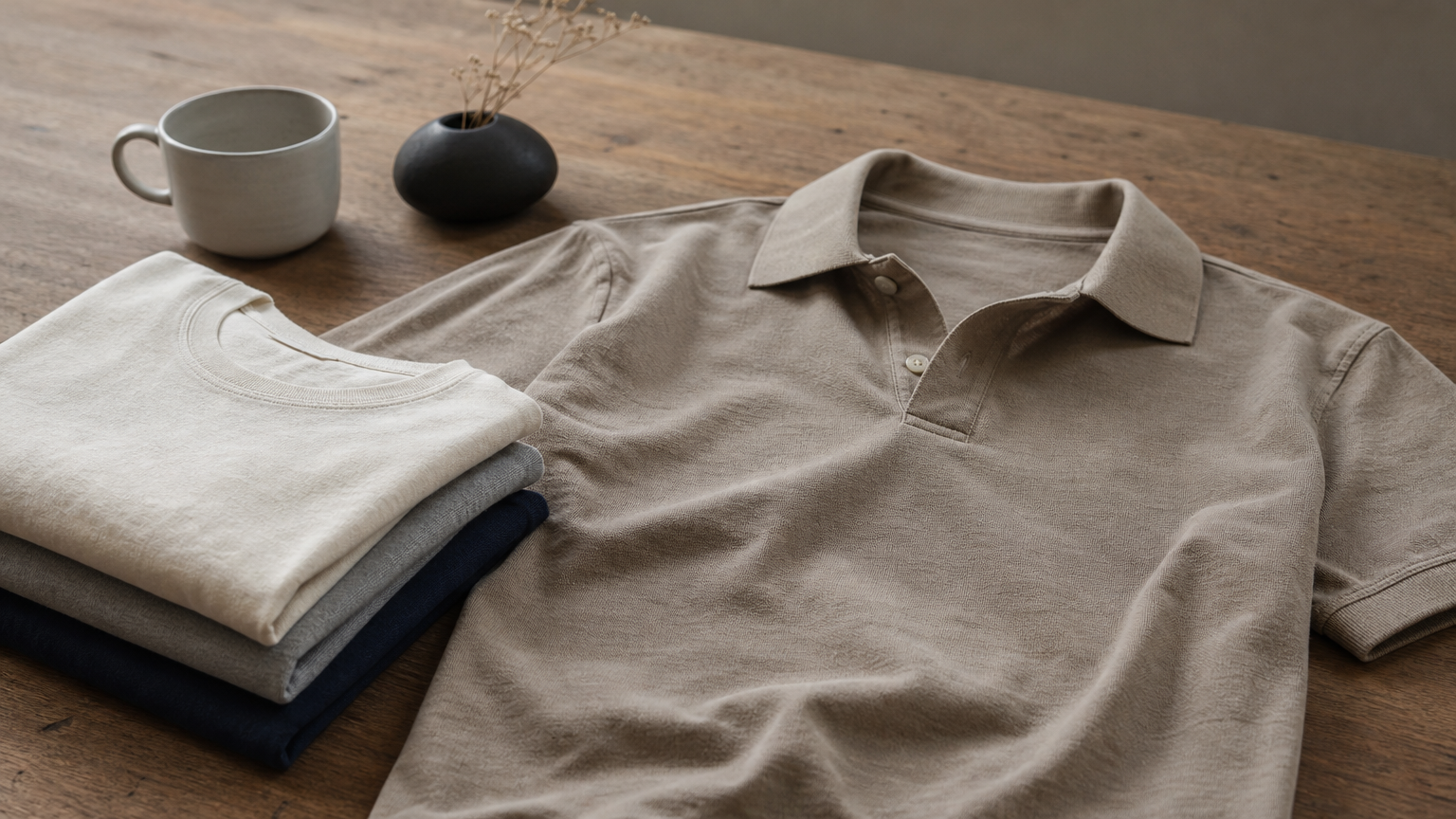
Start with white, grey and navy crewneck tees in midweight cotton. A fabric weight of roughly 170 to 240 gsm skims your body instead of clinging, and cotton washes better and stays fresher than polyester. Add one or two polos, which sit between a tee and a button-up and cover business casual. A henley or two handles cooler days.
A good tee fits the shoulders, skims the torso, and is plain enough to wear with anything.
- Crew neck rather than V-neck, for a more classic look
- Solid colors only: white, grey, navy, black
- A hem long enough to cover your belt line
- Cotton or a cotton blend in a midweight fabric
How to wear it and how many to own
Wear a tee on its own with jeans, or as the base layer under an overshirt, sweater or blazer. A polo with chinos and a blazer is office-ready, and the same polo with sneakers is a weekend outfit. Six tees, polos and henleys plus the two Oxford shirts from the next item give you eight tops, which covers a week of laundry with one spare.
Stay inside a core palette. White, black, grey, navy, olive, khaki and brown mix without effort, and they make a clean backdrop when you later add one bright piece or a pattern.
2. A white or pale blue Oxford shirt
One Oxford button-up in white or pale blue is the dressy shirt you will wear most. It works tucked under a blazer, untucked with chinos, or open over a tee.
What to buy
Pick an Oxford cloth button-down in cotton, white first and pale blue or blue stripe second. The weave has more texture than a dress shirt, so it looks right at work without feeling stiff. A blue chambray shirt is a good casual third. It goes under a blazer or over chinos with boots.
If you only own one shirt with buttons, make it a white Oxford.
- Button-down collar that sits flat without a tie
- Shoulder seams that land at the edge of your shoulder
- Sleeves that end at the wrist bone
- Cotton, ideally one that softens with washing
How to wear it and how many to own
Tuck it in with chinos and a navy blazer for the office. Leave it untucked with sleeves rolled and dark jeans for dinner. Open it over a white tee for a relaxed weekend look, which is the easiest way to get a third outfit from the same shirt.
Two Oxfords are enough to start: white and pale blue. Add chambray when you want a casual option. If your job or a wedding calls for something formal, a separate white cotton dress shirt is a different purchase and is not required for everyday wear.
3. A crewneck sweater
Buy a navy or grey crewneck sweater first, in merino, cotton or cashmere. It is the layer that makes a tee look finished and keeps an Oxford from feeling thin.
What to buy
Cashmere is soft, holds its shape and avoids the itch of coarser wool, but quality varies a lot between price tiers, so check the knit and the label instead of trusting the name. Merino and heavy cotton are cheaper and hardier. If your life is more casual, a heavyweight cotton hoodie in grey or black does the same job. Look for a ribbed hem so the waistline stays defined.
A plain navy crewneck does more work than five novelty sweaters.
- Crew neck with a ribbed collar and hem
- Navy or grey first, oatmeal as a second color
- Knit that feels dense, not thin or see-through
- Check care labels, since cashmere may be dry-clean only
How to wear it and how many to own
Pull it over a tee with jeans, or let the collar of an Oxford peek out for a smarter look. Drape it over your shoulders for a casual finish. A hoodie goes under a light jacket and replaces the sweater on lazy days.
Two sweaters are plenty: one navy, one oatmeal or grey. Add one hoodie if your weekends are casual. Fold knitwear instead of hanging it, since hangers stretch the shoulders.
4. Dark-wash jeans
A pair of dark indigo jeans in a straight cut is the safest denim you can buy. It is dressy enough for most offices and casual enough for any weekend.
What to buy
Look for 100 percent cotton or cotton with a touch of elastane. A straight leg has the longest shelf life, while looser or wider cuts come and go. Dark denim reads more serious and mixes more easily because the blue is not loud. Save light washes for summer weekends. Selvedge denim is optional and needs a break-in period.
Dark, straight, and plain: that is the pair you will reach for again and again.
- Dark indigo or almost-black wash
- Straight fit through the thigh and leg
- No heavy fading, rips or contrast stitching
- A hem that sits at or just above the top of your shoe
How to wear it and how many to own
Wear them with a tee and white sneakers on weekends. Add an Oxford, navy blazer and boots for a smart dinner look. A grey sweater and loafers also work. The same jeans fit all three, which is the point of an essential.
One pair gets you started. Buy a second only when the first wears out, or when you want a light wash for summer. Wash jeans less often than other clothes, and turn them inside out to protect the color.
5. Olive or khaki chinos
Chinos are the dressier partner to your jeans. One pair in olive or khaki handles work, dates and travel, and fills the gap between denim and tailored trousers.
What to buy
Chinos come in three broad styles: traditional knockabouts with minimal details, workwear versions in tougher fabric, and dressy slim cuts with clean seams. For a first pair, choose a straight, mid-rise cut in midweight cotton twill. Olive adds a little color while staying neutral. Khaki or beige is the classic option. The hem should end around the lacing of your shoe.
Chinos are the pants you wear when jeans feel too casual and trousers feel too much.
- Cotton twill with a small amount of stretch if you prefer
- Olive, khaki or beige
- Mid-rise waist and a straight leg
- Hem that skims the top of your shoe
How to wear it and how many to own
Pair them with an Oxford and a navy blazer for the office. A tee, white sneakers and an unbuttoned overshirt turn them into weekend pants. A polo makes the full preppy version.
With jeans, two pairs of pants match the classic starter formula, and one pair of chinos is enough. If your dress code is stricter, add one pair of grey tailored trousers later.
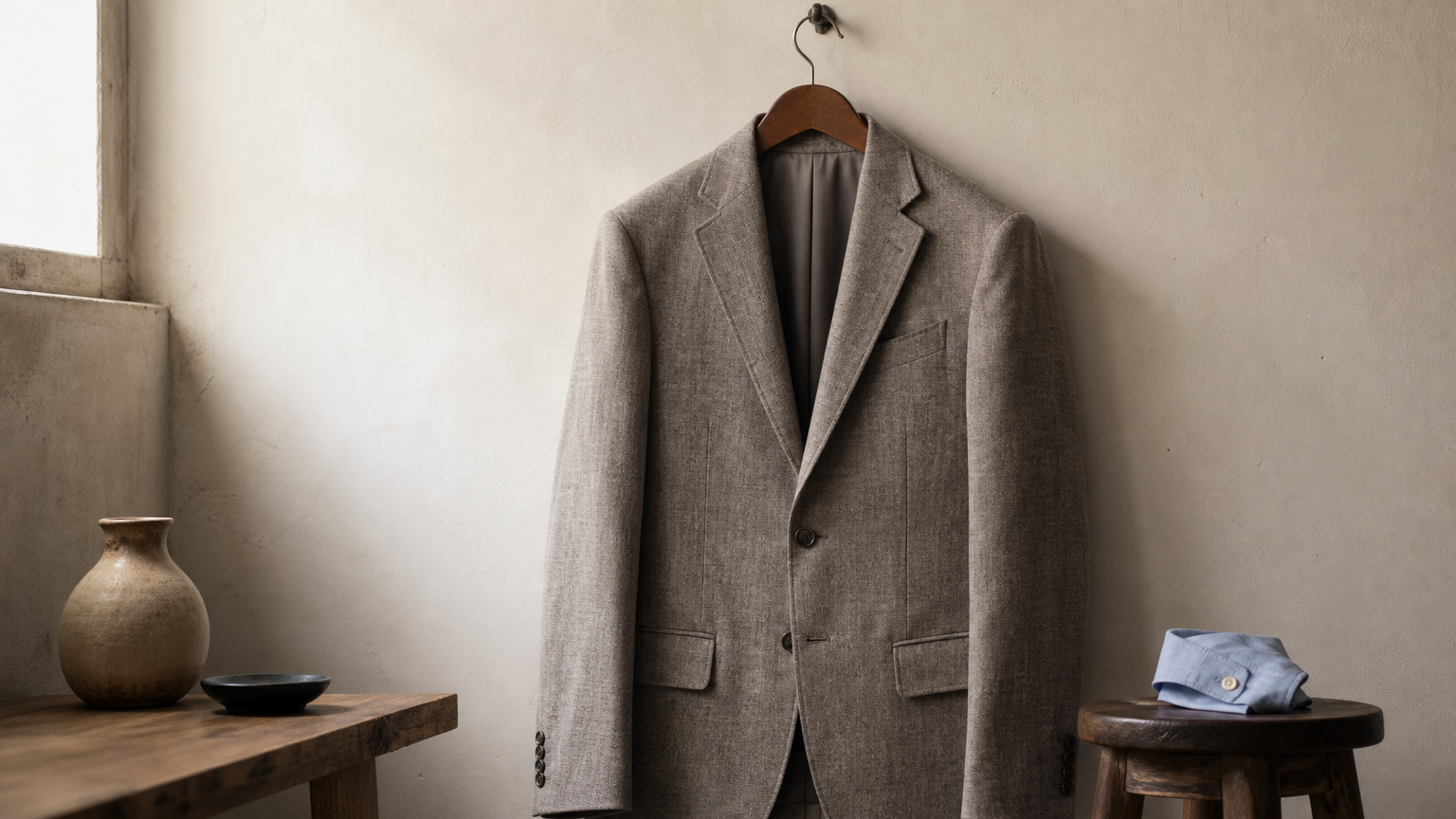
A navy blazer is the one jacket that goes from job interview to wedding to dinner. It is the single piece that makes everything else on this list look deliberate.
What to buy
Fit decides everything, so check the shoulders first. The seam should end where your shoulder ends, because a tailor can adjust sleeves and waist far more easily than shoulders. Choose a single-breasted, two-button jacket in wool or a wool blend, with plain buttons and notch lapels. Skip heavy padding and shiny fabrics.
Buy a blazer for its shoulders and fabric, and let a tailor handle the rest.
- Single-breasted with notch lapels
- Wool or wool blend in a true navy
- Shoulder seam at the edge of your shoulder
- Sleeves that show a bit of shirt cuff
How to wear it and how many to own
Add a tie and Oxford for an interview. Wear it with chinos and a polo for business casual. Dress it down with a white tee and dark jeans for a date, a navy blazer with jeans look that proves how much range one jacket has.
You need one blazer, which counts as the dressy jacket in a two-jacket starter wardrobe. If you later need a full suit for work, a navy one in the same fabric family is the natural next step.
7. A versatile light jacket
Pick one light jacket you can wear most days: a minimal leather jacket, a workwear chore coat, a blouson, or a trench or mac if you live where it rains. Choose by climate and lifestyle, then stop shopping.
What to buy
Look for structure over bulk. A boxy cut hangs neatly over a hoodie or sweater, and a collar frames what is underneath. A restrained black leather jacket goes with everything and is plain enough for the office. A tan or brown workwear jacket ages well. A trench or mac in navy or beige works as a lighter alternative to a heavy overcoat when rain is the problem.
One light jacket you wear every week beats three you wear twice.
- Plain design with few zips or patches
- Black, brown, tan, navy or beige
- Roomy enough to fit over a sweater
- Collar and pockets that suit your routine
How to wear it and how many to own
Throw it over a tee and jeans for the easiest outfit on the list. Layer it over a sweater when temperatures drop. Wear a trench over a blazer and chinos for work in wet weather.
One casual jacket completes the starter formula of two jackets, with your navy blazer as the other. Add a rain-specific coat only if your climate demands it. A heavy winter coat is a separate purchase and depends on where you live.
8. White sneakers and one leather pair
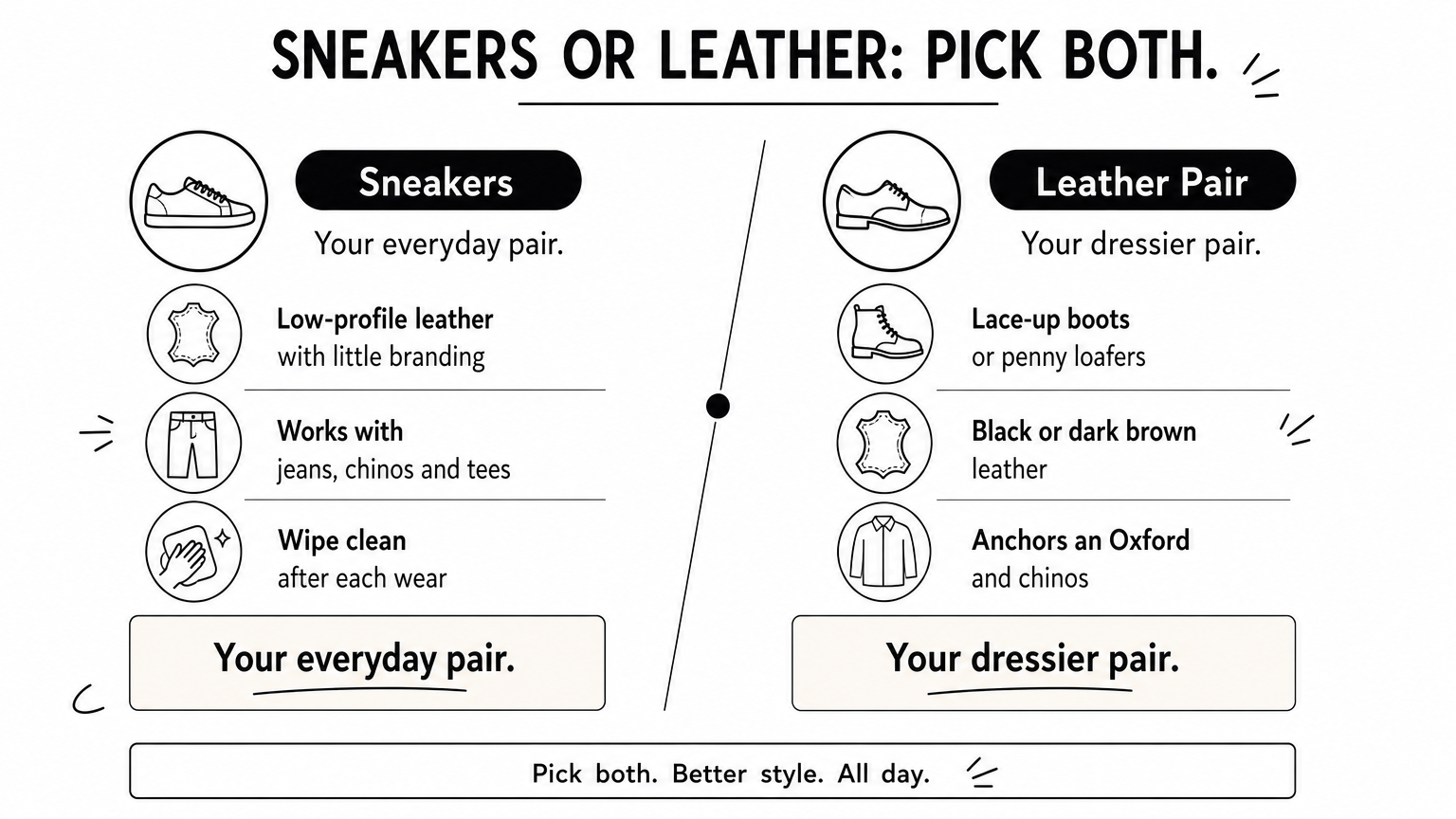
Two pairs of shoes cover nearly everything: minimal white sneakers and one dressier leather pair, either lace-up boots or penny loafers. Both should be plain enough to go with every item above.
What to buy
For sneakers, choose clean, low-profile white leather with little branding. Relaxed smart casual dress codes mean they work at many offices. For the second pair, a black or dark brown penny loafer is versatile and goes from casual to dressy. A lace-up boot pairs well with both jeans and chinos. Pick whichever matches your life, and avoid thick lug soles or flashy hardware.
Two clean pairs of shoes beat six tired ones.
- White leather sneakers with a flat, minimal profile
- Loafers or lace-up boots in black or dark brown leather
- Real support: try them on at the end of the day
- Solid colors and simple stitching
How to wear it and how many to own
White sneakers go with jeans, chinos, a polo or a tee, and even an unstructured casual blazer. Loafers work with chinos and a blazer, with or without socks. Boots anchor jeans and an Oxford.
Two pairs match the starter formula, one casual and one dressier. Wipe sneakers after wearing them, and polish leather every few weeks. If you wear the same pair daily, add a third pair so each can rest between wears.
Build the closet one piece at a time
Wardrobe essentials for guys are not a long list. They are eight categories that fit together: tees and polos, an Oxford, a sweater, dark jeans, chinos, a navy blazer, a light jacket, and two pairs of shoes. In numbers, that works out to eight tops, two pants, two jackets and two pairs of shoes.
Buy slowly. Start with the pieces you will wear this week, keep to neutral colors, and check fit before brand. Each new item should work with at least three things you already own.
To turn these pieces into a tighter set, read our guide to a men’s capsule wardrobe and pick your next piece with confidence.