A smart casual dress code dinner means you look relaxed but clearly put together. For women, that usually means a polished top or dress, tailored trousers, a skirt or dark jeans, and shoes that look chosen rather than grabbed on the way out. It sits between jeans-and-a-tee casual and a full suit or cocktail dress. Think one notch above your daytime outfit, not a board meeting.
The phrase is vague on purpose, and most restaurants never define it. This guide shows why the code matters at dinner in particular, how to build an outfit from a simple formula, and whether jeans are allowed. It also lists what to leave at home and the small details that make an outfit look polished.
Boulevard Insight publishes fashion guides on dress codes and seasonal styling, so this one stays practical. You get pieces you probably already own, combinations that work, and quick checks to run before you walk in.
Why the smart casual dinner dress code matters
The smart casual dinner dress code matters because dinner is where a misjudged outfit is most visible. Nobody notices a casual look at a lunch counter, but at a candlelit table it stands out. Smart casual is also the dress code restaurants mention most and explain least.
What smart casual means for women at dinner
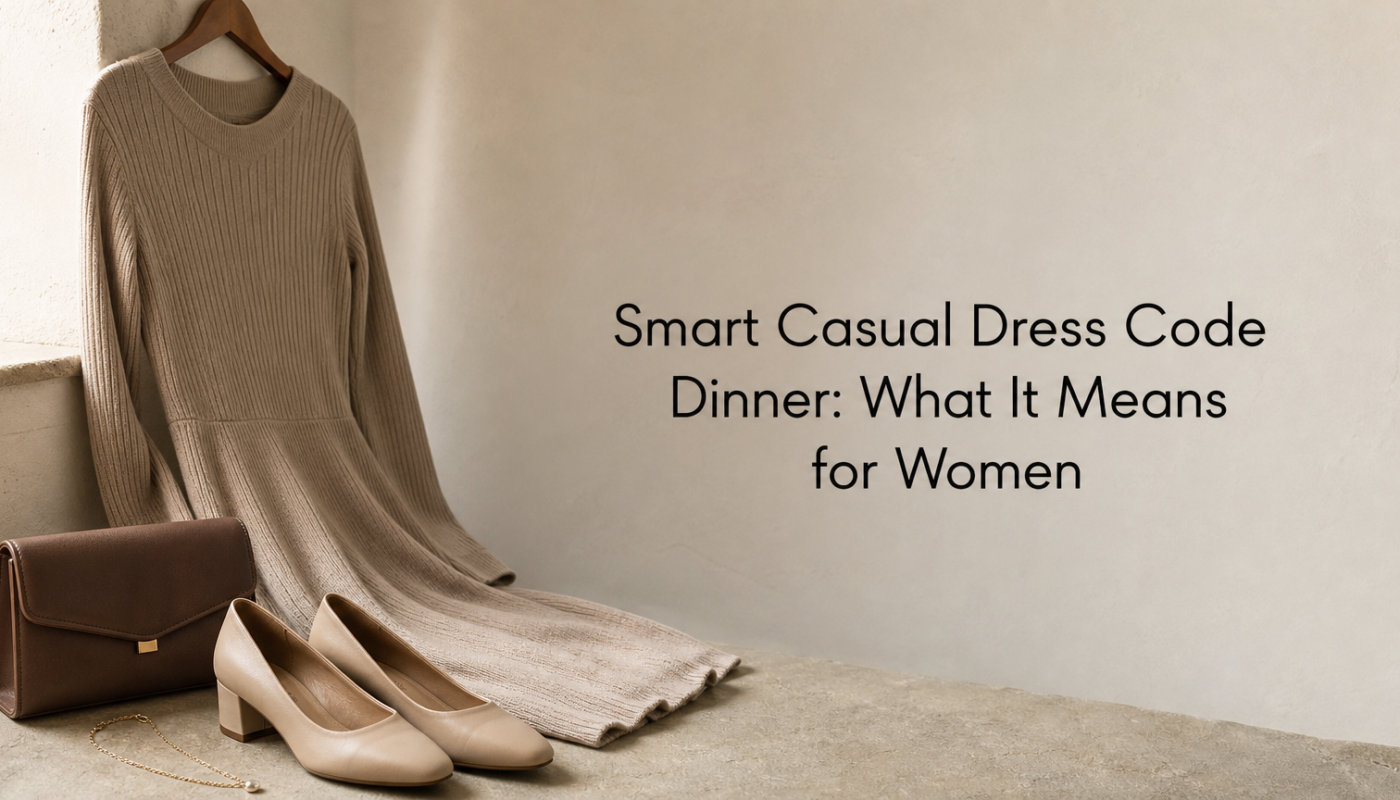
Smart casual for women is a mix of structured and relaxed pieces. A simple test: pair one polished item with one relaxed item. A silk blouse with dark jeans works. So does a knit dress with loafers, or a fitted tee under a tailored blazer with trousers.
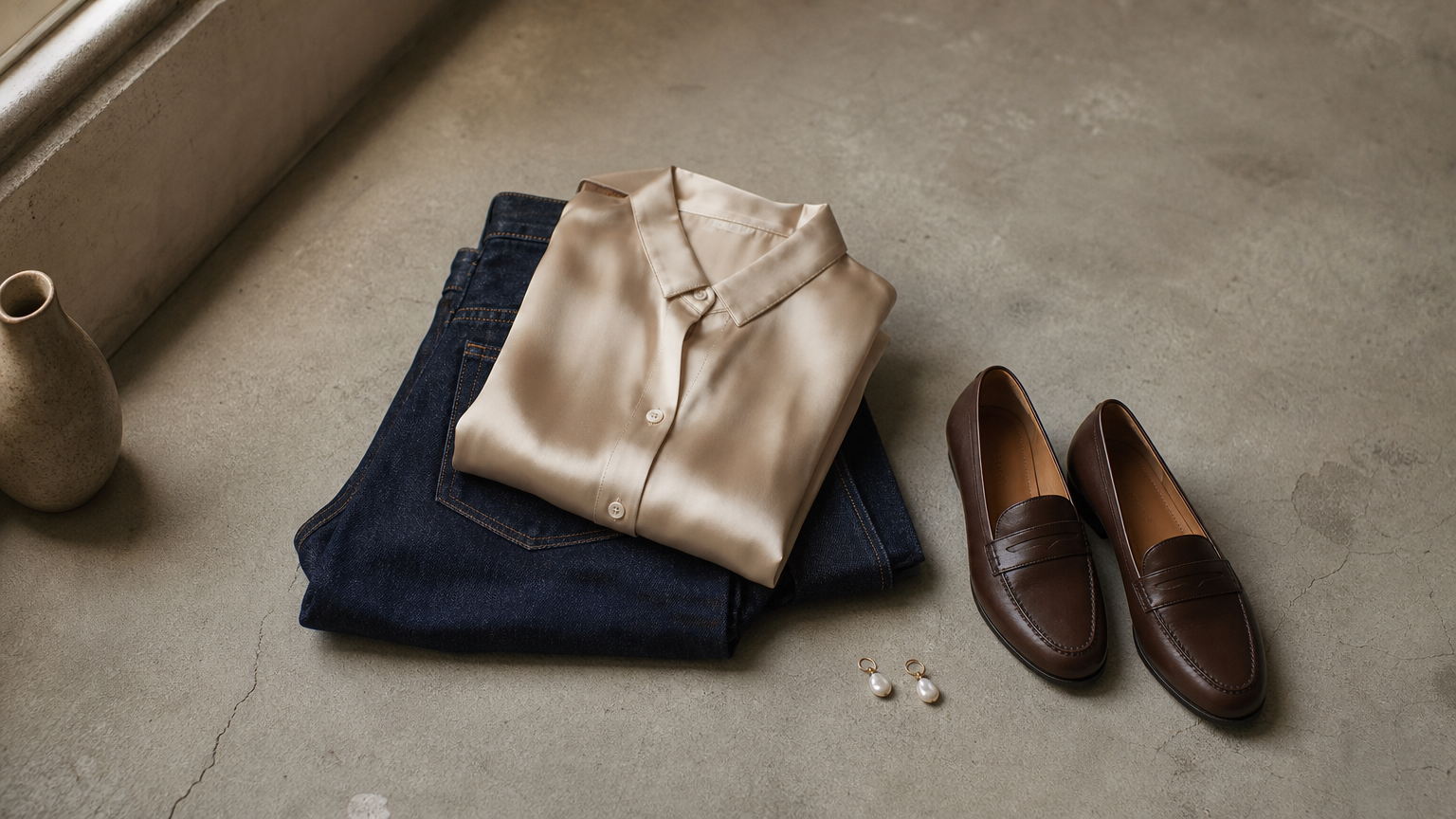
Dinner pushes the look slightly dressier than daytime. Evening outfits lean toward darker colors, richer fabrics, and a little more shine, such as satin, fine knits, or a leather shoe in place of a canvas one.
Smart casual at dinner means one polished piece, one relaxed piece, and nothing sloppy.
Why getting it right is worth the effort
Being underdressed is the bigger risk. Some restaurants and hotel dining rooms do turn guests away or ask them to change, and even where they do not, you will feel it. Being a little overdressed costs you nothing, because you can always drop a blazer or swap heels for flats.
Interpretations also vary. One venue means chinos and a clean shirt, while another expects something closer to business attire. Because the meaning shifts, you need a formula that flexes in both directions, which is what the next section covers.
How to build a smart casual dinner outfit
You build a smart casual dinner outfit in three parts: a polished top or dress, a tailored bottom, and considered shoes. Add a layer and one or two simple accessories, and you are done. The formula works for nearly every restaurant that asks for smart casual.
The pieces to choose from
Pick one item from each line below, or choose a one-piece option and skip the top and bottom.
- Tops: silk or satin blouse, fine-knit sweater, crisp button-up, bodysuit, or a fitted turtleneck.
- Bottoms: tailored trousers, midi skirt, or dark straight-leg jeans.
- One-pieces: knit dress, wrap dress, shirt dress, or a simple jumpsuit.
- Shoes: loafers, ankle boots, low block heels, sleek flats, or heeled sandals in warm weather.
- Layers: blazer, cardigan, or a tailored coat.
- Accessories: delicate jewelry and a structured bag or clutch.
Outfit ideas by type of restaurant
Match the polish to the room. The table gives a safe starting point for three common settings.
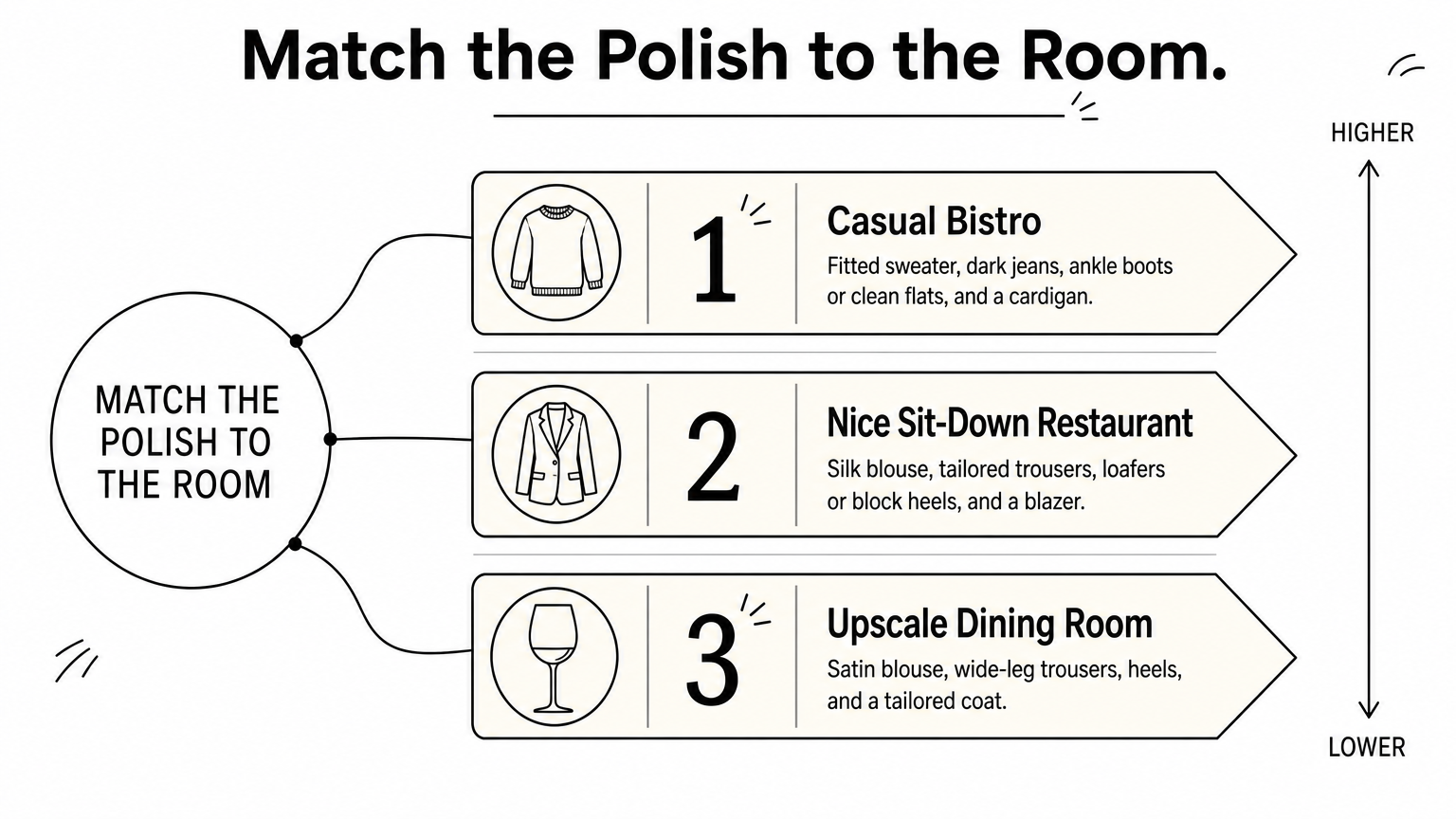
| Setting | Top or dress | Bottom | Shoes | Layer |
|---|---|---|---|---|
| Casual bistro or neighborhood spot | Fitted sweater or crisp tee | Dark jeans | Ankle boots or clean flats | Denim-free jacket or cardigan |
| Nice sit-down restaurant | Silk blouse or knit dress | Tailored trousers or midi skirt | Loafers or block heels | Blazer |
| Upscale restaurant or hotel dining room | Satin blouse or wrap dress | Wide-leg trousers or midi skirt | Heels or sleek heeled boots | Tailored coat or structured blazer |
In cooler months, swap sandals for ankle boots and add a wool coat. Keep the colors rich, such as black, navy, olive, burgundy, or camel.
Choose the polish by the room: jeans at a bistro, trousers or a dress at a nicer table.
Are jeans allowed, and what to avoid
Yes, jeans are allowed in most smart casual dress codes, as long as they are dark, clean, and intact. What fails is anything that looks like gym wear, beach wear, or a nightclub outfit. The details below keep you on the right side of that line.
The rules for jeans
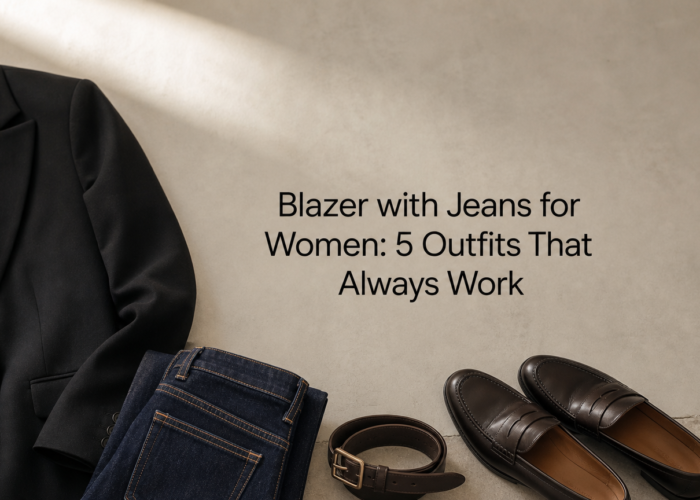
A pair of jeans passes at dinner when it meets four conditions. Choose a dark indigo or black wash with no rips, fading, or heavy whiskering. The cut should be straight, slim, or wide-leg, and the pair should fit well rather than sag or strain.
Then dress everything else up. A blouse or fine knit on top, a blazer if the room calls for it, and loafers, boots, or heels on your feet. Jeans work in smart casual because the rest of the outfit is polished, so never pair them with a worn tee and sneakers. If a restaurant states "no denim," trust it and wear tailored trousers or a skirt instead.
What not to wear
These are the items most likely to break a smart casual dress code at dinner:
- Leggings, sweatpants, joggers, and hoodies
- Distressed, faded, or ripped jeans
- Flip-flops, slides, and worn or athletic sneakers
- Oversized graphic tees and logo-heavy tops
- Beach cover-ups, denim shorts, and crop tops that read as casual daywear
- Very short, very sheer, or clubwear-style pieces
If it belongs at the gym, the beach, or a club, it does not belong in smart casual.
Details that make an outfit look polished
An outfit looks polished when the fit is right, the fabrics hold their shape, and the look is restrained. These details matter more than price. They are also what people mean when they say someone looks put together, or even wealthy.
Fit, fabric, and color
Fit does more than any label. Trousers hemmed to the right length, a blazer that sits on the shoulder, and a dress that skims instead of clings all signal care. A small trip to a tailor can lift a basic piece.
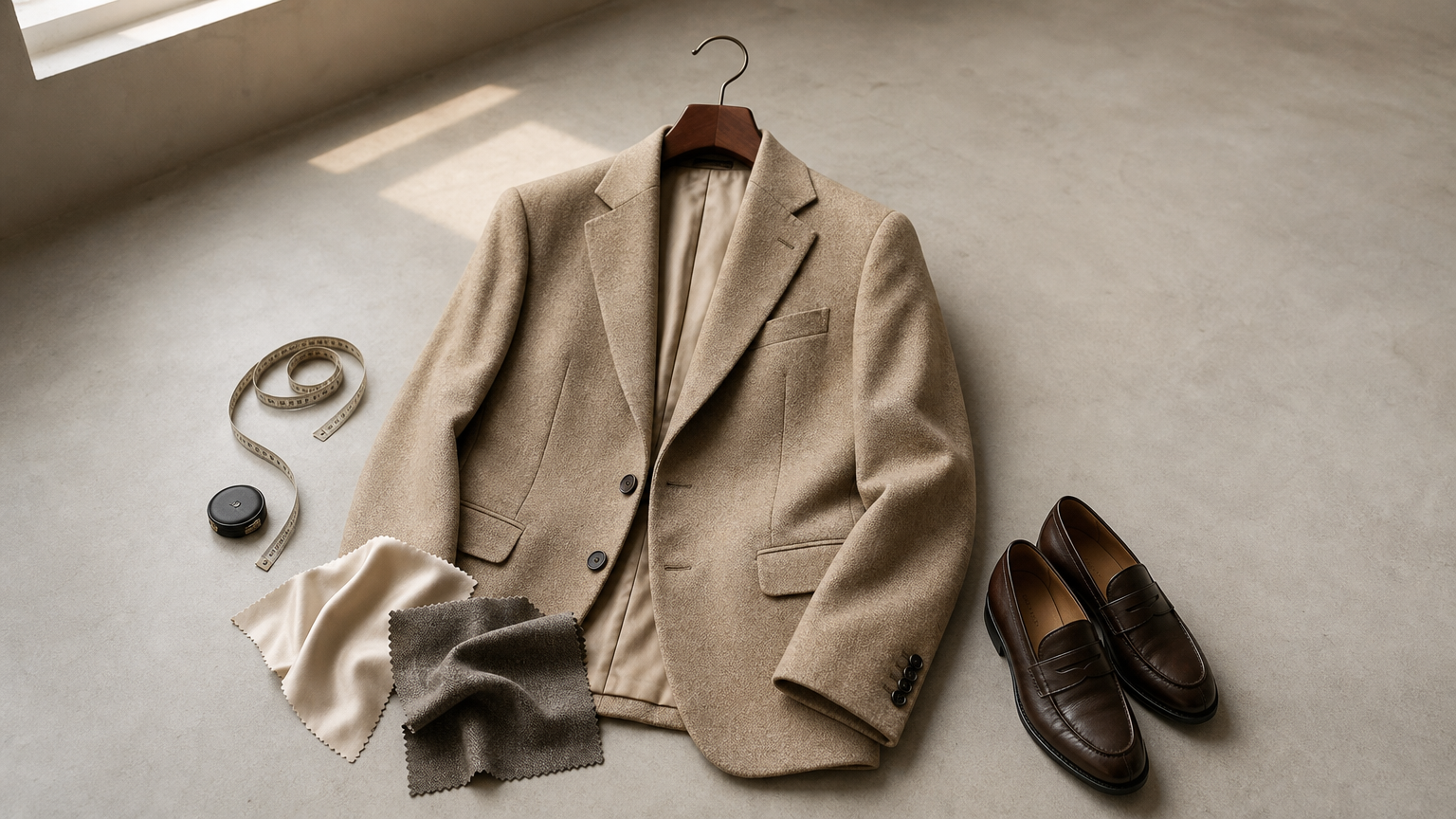
Fabric comes next. Wrinkled or pilling cotton and thin jersey look casual under dinner lighting, while crepe, satin, wool, and fine knits look finished. Keep the palette tight, with two or three colors that work together, and skip big logos. Make sure shoes are clean and scuff-free, since they get noticed at a table.
Fit and fabric make an outfit look expensive far more than a logo does.
Check the venue before you go
Spend two minutes on research. Look at the restaurant’s website and photos for what guests wear, and read the dress code line if there is one. A quick call to the host stand settles any doubt.
When you are still unsure, go slightly dressier and bring a removable layer. A blazer and flats in your bag cover almost any situation. The same logic applies for men, for whom smart casual at dinner usually means dark trousers or chinos, a collared shirt or fine knit, and leather shoes, with a blazer as an option.
When in doubt, dress one notch up and bring a layer you can take off.
Dress one notch up and you are set
A smart casual dinner outfit comes down to one idea: a polished piece, a relaxed piece, and nothing that looks like gym or beach wear. Dark jeans are fine, tailored trousers are safer, and good fit and fabric matter more than price. If you are unsure about the room, go a notch dressier and carry a layer.
Use the outfit table above as a template, then adjust it to the season and the restaurant. For more outfit guides built on the same practical approach, browse the fashion guides at Boulevard Insight.